
Run a Free SEO Page Audit to Find the First Fix
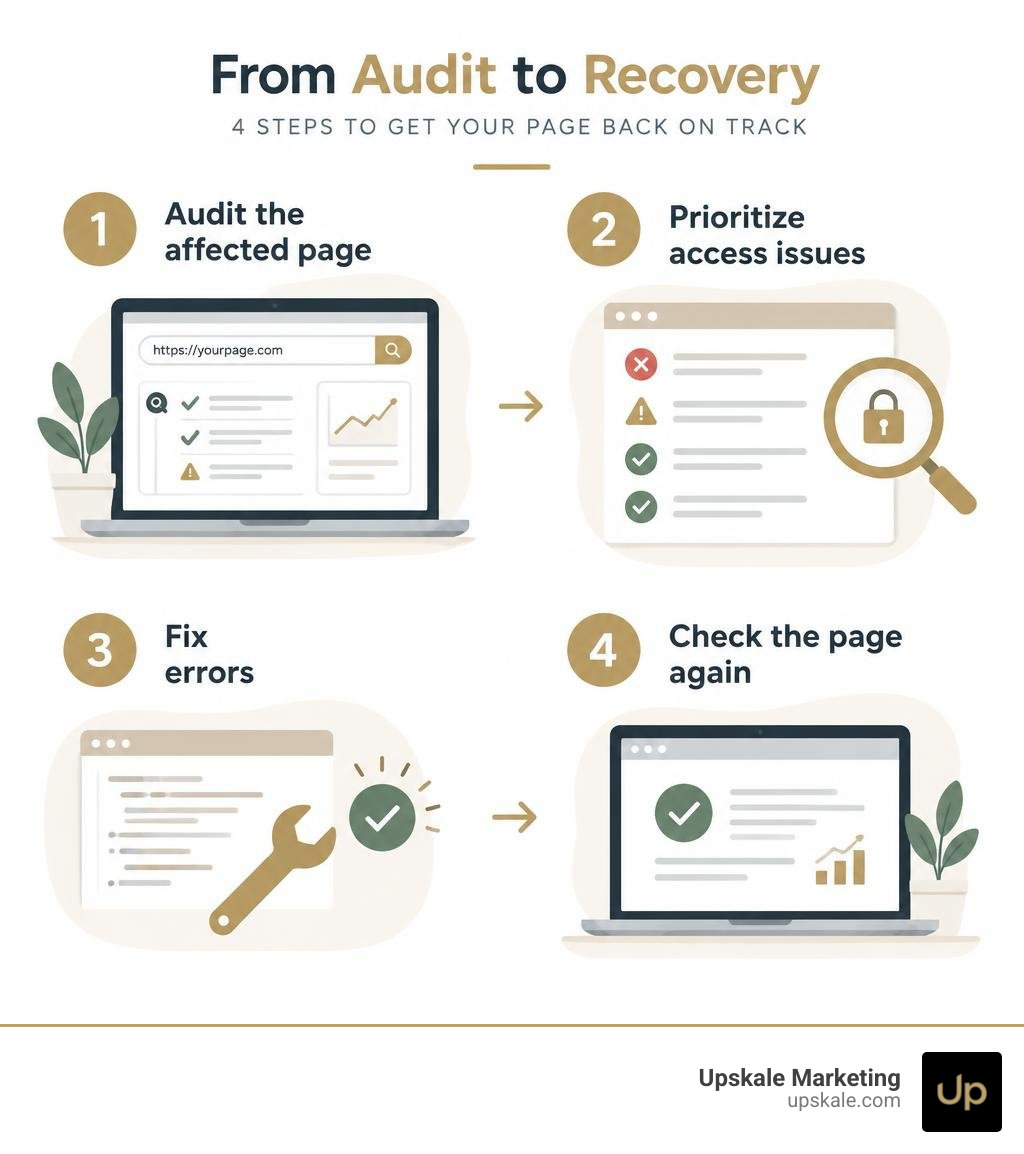
If traffic has dropped, start with a free SEO page audit of an affected URL. Enter the page into an audit tool, then check whether search engines can access it. Review its title, canonical tag, links, mobile speed, and any errors the report flags. Fix access or indexing problems first, then rerun the audit to confirm the change.
A page audit can help you find a likely cause, but it cannot explain every traffic drop. You may still need site-wide data to spot issues that extend beyond one URL.
I’m Scott Brazdo, MBA, founder of Upskale Marketing. With more than 30 years in marketing and brand strategy, I see a free SEO page audit as a useful first step toward understanding both search health and AI visibility.
Why Run a Free SEO Page Audit When Traffic Drops?
A sudden drop in organic search traffic can disrupt any business. When key landing pages lose positions, identifying the root cause quickly prevents revenue loss. In many cases, these declines stem from overlooked technical glitches, rendering errors, or search engine re-evaluations following core algorithm updates.
Running a single-page audit allows you to inspect the page using headless browser rendering. This process renders dynamic JavaScript just as modern search bots and AI scrapers do, uncovering hidden problems that standard source-code viewers miss. Technical issues directly degrade organic discovery and user experience. By leveraging free AI tools for SEO optimization, teams can quickly diagnose these problems and build clear recovery workflows.
| Technical Audit Failure | Root Technical Cause | Direct Traffic & Ranking Impact |
|---|---|---|
| Indexation Blockers | Misplaced noindex tags or restrictive robots.txt rules |
Total de-indexing; organic traffic drops to zero instantly |
| Broken Canonical Tags | Relative links, canonical loops, or mismatched protocols | Dilution of page authority and split ranking signals across URLs |
| Slow Core Web Vitals | Unoptimized hero media and heavy render-blocking assets | Lower rankings on mobile SERPs due to poor user experience |
| Missing Structured Data | Incomplete Schema markup or formatting drift | Loss of rich snippet visibility and lower citation rates in AI answers |
| Broken Internal Links | 404 errors and circular redirect chains | Crawl budget waste and broken link equity flow |
What a Free SEO Page Audit Checks Instantly
A modern page scanner evaluates over 170 technical, on-page, and structural checkpoints within seconds. Rather than checking simple HTML text, an effective audit renders the document object model (DOM) to verify how search engines and answer engines process your content.
Key areas inspected during an instant scan include:
- Metadata Integrity: Title length, missing or duplicate meta descriptions, and correct Open Graph tags.
- Canonical and Directives: Self-referential canonical tags,
robotsmeta directives, and HTTP header instructions. - Semantic Content Structure: Single H1 usage, structured H2 and H3 heading hierarchies, and text-to-code ratios.
- Mobile Experience & Performance: Viewport configurations, tap targets, font legibility, and Core Web Vitals metrics like Largest Contentful Paint (LCP) and Interaction to Next Paint (INP).
- Asset Optimization: Descriptive image alt text, modern image formatting (WebP/AVIF), and broken media links.
- Structured Data: JSON-LD syntax validation, schema accuracy, and entity markup supporting a broader framework for AI optimization.
Common Ranking Killers and Benchmark Scores
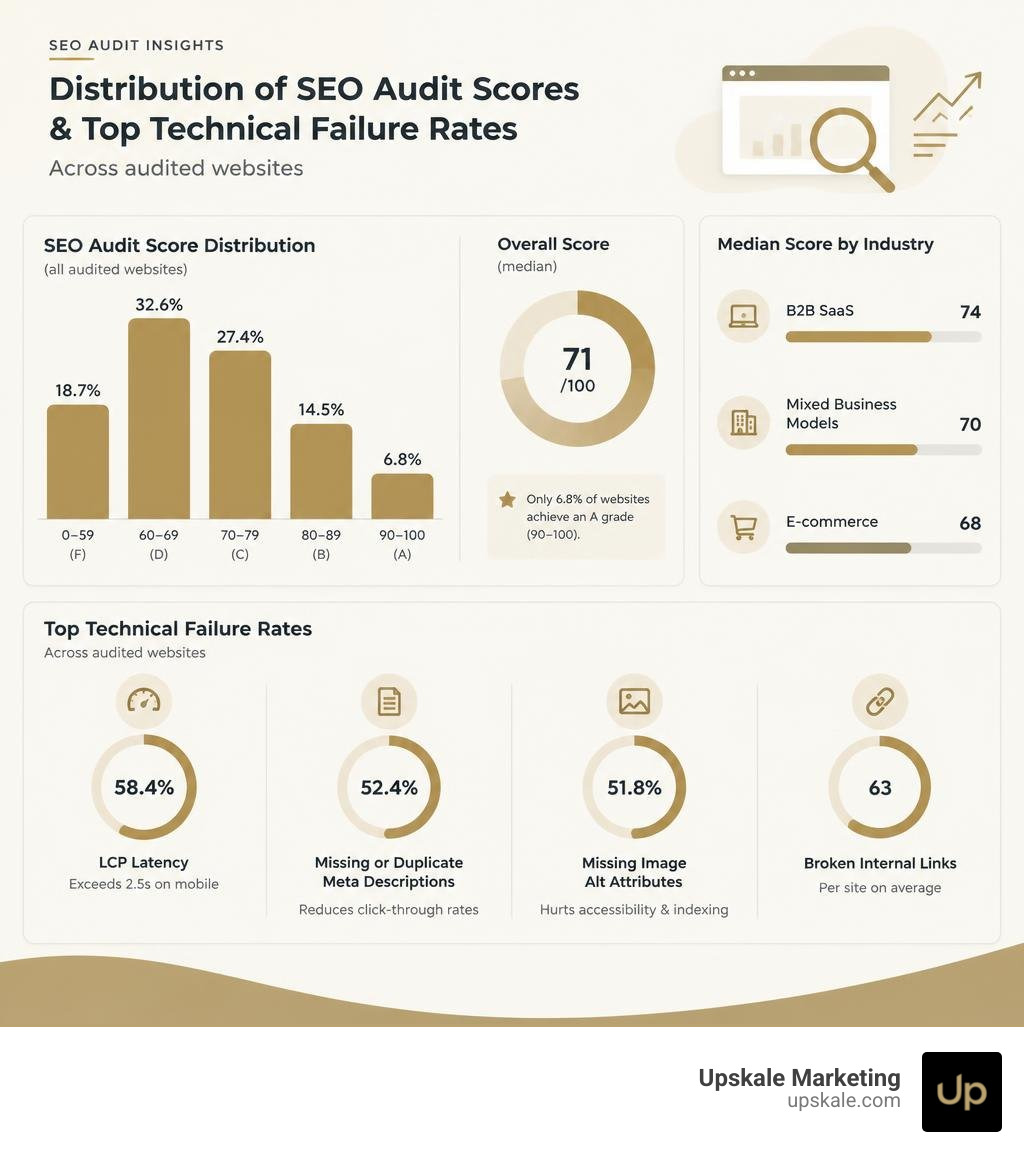
Across more than 100,000 website audits conducted in 2026, the median overall SEO audit score sits at 71 out of 100. High-performing websites scoring an A grade (90 to 100) represent only 6.8% of all audited domains. Industry verticals show notable performance variations, with B2B SaaS websites averaging a median score of 74, mixed business models averaging 70, and e-commerce websites trailing at 68 due to dynamic rendering and inventory challenges.
The most frequent technical failures found across the web include:
- Largest Contentful Paint (LCP) Latency: 58.4% of tested pages exceed the 2.5-second mobile benchmark, degrading both ranking signals and conversions.
- Missing or Duplicate Meta Descriptions: 52.4% of pages lack targeted meta descriptions, reducing organic click-through rates.
- Missing Image Alt Attributes: 51.8% of scanned pages fail basic accessibility and image indexing checks.
- Broken Internal Links: Audited domains average 63 broken internal links per site, wasting crawl efficiency.
- Structured Data and Link Errors: Performance categories fail on 71.2% of sites, structured data checks fail on 64.8%, and link validation issues impact 57.3% of pages.
How to Execute and Prioritize Your Free SEO Page Audit
Executing a free page audit requires entering your specific target URL into the tool. Once rendered, the scanner produces an itemized report breaking down issues across core technical categories.
To resolve issues without overwhelming your engineering or content teams, follow a disciplined remediation sequence.
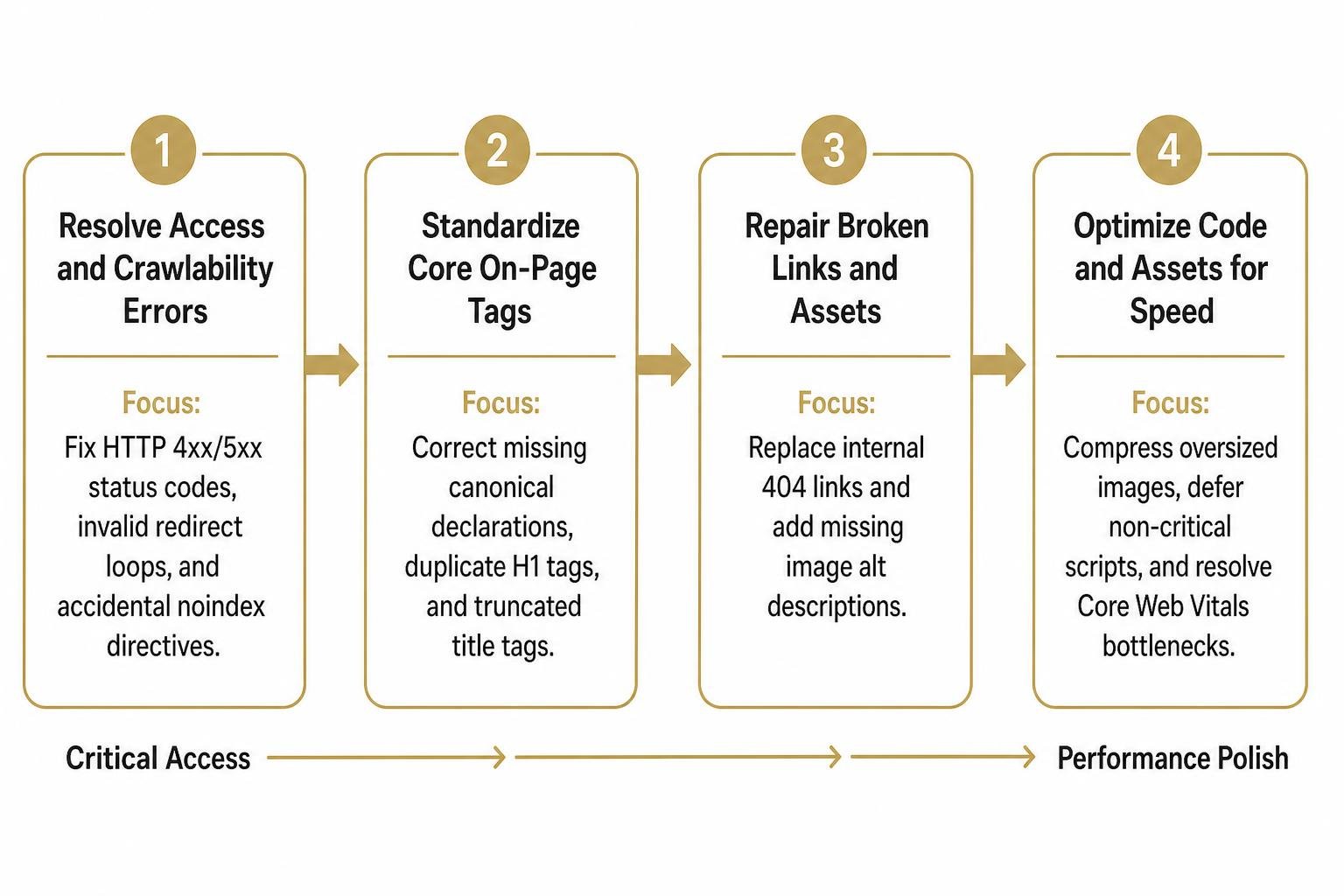
- Resolve Access and Crawlability Errors: Fix HTTP 4xx/5xx status codes, invalid redirect loops, and accidental
noindexdirectives immediately. - Standardize Core On-Page Tags: Correct missing canonical declarations, duplicate H1 tags, and truncated title tags.
- Repair Broken Links and Assets: Replace internal 404 links and add missing image alt descriptions.
- Optimize Code and Assets for Speed: Compress oversized images, defer non-critical scripts, and resolve Core Web Vitals bottlenecks.
Interpreting Your SEO Score and Technical Issues
SEO audit engines calculate grades using weighted scoring across categories like crawlability, content relevance, performance, and structured data. Understanding the difference between score severities helps you focus on what matters most:
- Critical Errors: Immediate indexing or access blockers that actively suppress rankings.
- Warnings: Structural shortcomings, such as missing schema or slow load times, that keep a page from reaching top positions.
- Notices: Optimization opportunities, such as improving meta description phrasing or image naming conventions.
When organizing these remediation tasks, marketers can use practical SEO prompts for GPT to translate complex audit findings into clear instructions for developers and copywriters.
Turning Audit Findings into a High-Impact Fix List
To maximize efficiency, address template-level issues first. Most websites use shared page templates for blog posts, product pages, or service offerings. When an audit flags missing Open Graph tags, broken footer links, or uncompressed header assets, updating the master template resolves the issue across hundreds of URLs simultaneously.
For content-specific fixes, teams can apply proven ChatGPT SEO tips to refine heading clarity, draft missing meta tags, and improve readability. After implementing fixes, re-run the free audit immediately to verify that the errors are resolved before search engine bots re-crawl the page.
Expanding Beyond Traditional Checks: AI Search Visibility
Modern search is no longer limited to ten blue links. With the rise of AI Overviews, generative search engines, and answer platforms like ChatGPT, Gemini, and Copilot, technical SEO audits must now measure AI visibility alongside traditional ranking factors.
AI search platforms evaluate content through Generative Engine Optimization (GEO) and Answer Engine Optimization (AEO). These systems favor pages with clear entity definitions, structured facts, semantic HTML, and machine-readable data.
Why AI Visibility Belongs in a Modern Free SEO Page Audit
In 2026, 54.6% of audited websites fail fundamental AI and GEO readiness checks. Common issues include blocking legitimate AI search crawlers in robots.txt, lacking semantic hierarchy, and failing to maintain consistent structured data.
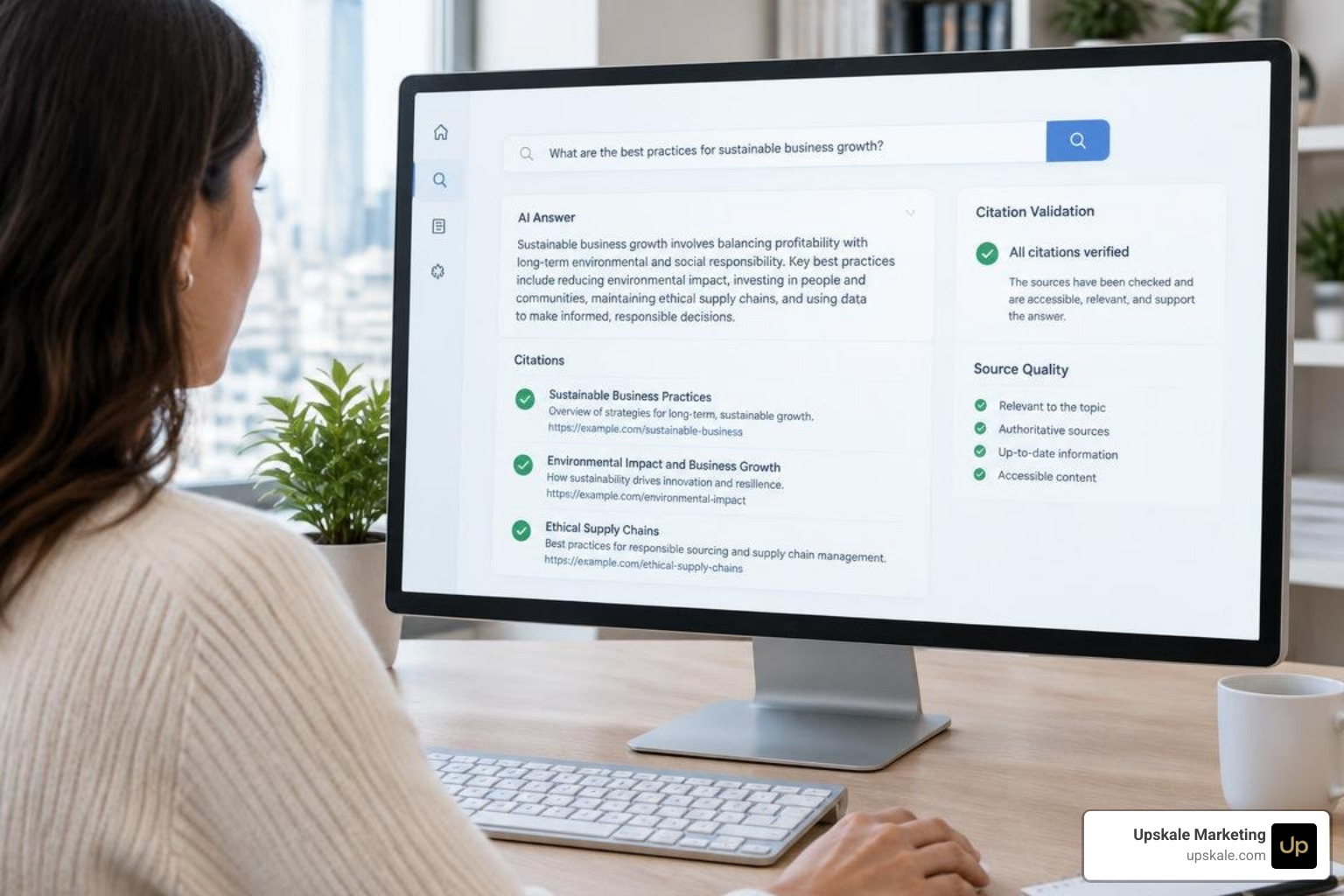
Modern audits check whether your page provides clear factual context for large language models. Applying actionable techniques for AI search optimization helps ensure your brand remains discoverable and cited as a trusted source across emerging answer engines.
Single-Page Audit Limitations and Full Crawl Needs
While a single-page audit delivers fast, diagnostic insights for a struggling URL, it has inherent structural limits. A single-page scanner cannot evaluate:
- Complex site-wide crawl architecture and click-depth distribution.
- Orphan pages disconnected from internal navigation.
- Domain-wide duplicate content and canonical conflicts.
- Overall crawl budget efficiency across enterprise-scale platforms.
For a complete picture of your digital footprint, integrate page-level fixes with broader strategic AI search optimization insights. This combined approach ensures both individual landing pages and overall site architecture support sustained organic and generative discovery.
Frequently Asked Questions About Free SEO Audits
Can I run a free audit without signing up or submitting an email?
Yes. Quality free SEO audit tools allow you to paste any publicly accessible URL and generate an on-page analysis in under 30 seconds without requiring an account or credit card. These tools parse publicly available HTML and rendered assets to deliver immediate diagnostic feedback.
How often should you run an SEO audit on high-priority pages?
Audit high-priority conversion and organic landing pages at least once a month. Additionally, run an instant audit immediately following any CMS updates, major template changes, or code deployments to catch technical regressions before search rankings drop.
How do free SEO checkers compare to paid enterprise crawlers?
Free SEO page checkers excel at rapid, single-URL diagnostics, content validation, and spot-checking specific technical fixes. Enterprise crawlers, by contrast, focus on full-domain data modeling, historical log-file analysis, and scheduled site-wide crawls across millions of URLs. Using free tools for targeted repairs offers an efficient, budget-friendly way to maintain page health.
Conclusion
A traffic drop signals that search engines or users are running into issues on your website. Running a targeted page audit provides the clarity needed to fix indexing roadblocks, improve Core Web Vitals, and maintain strong search rankings.
As search evolves across traditional and generative engines, staying proactive with your technical foundation is essential for lasting visibility. At Upskale Marketing, our Orlando, Florida team helps brands navigate this shift by strengthening relevance, digital authority, and AI search presence. Schedule a free AI evaluation with us today to receive a straightforward assessment of your current AI search visibility and uncover clear opportunities for growth.